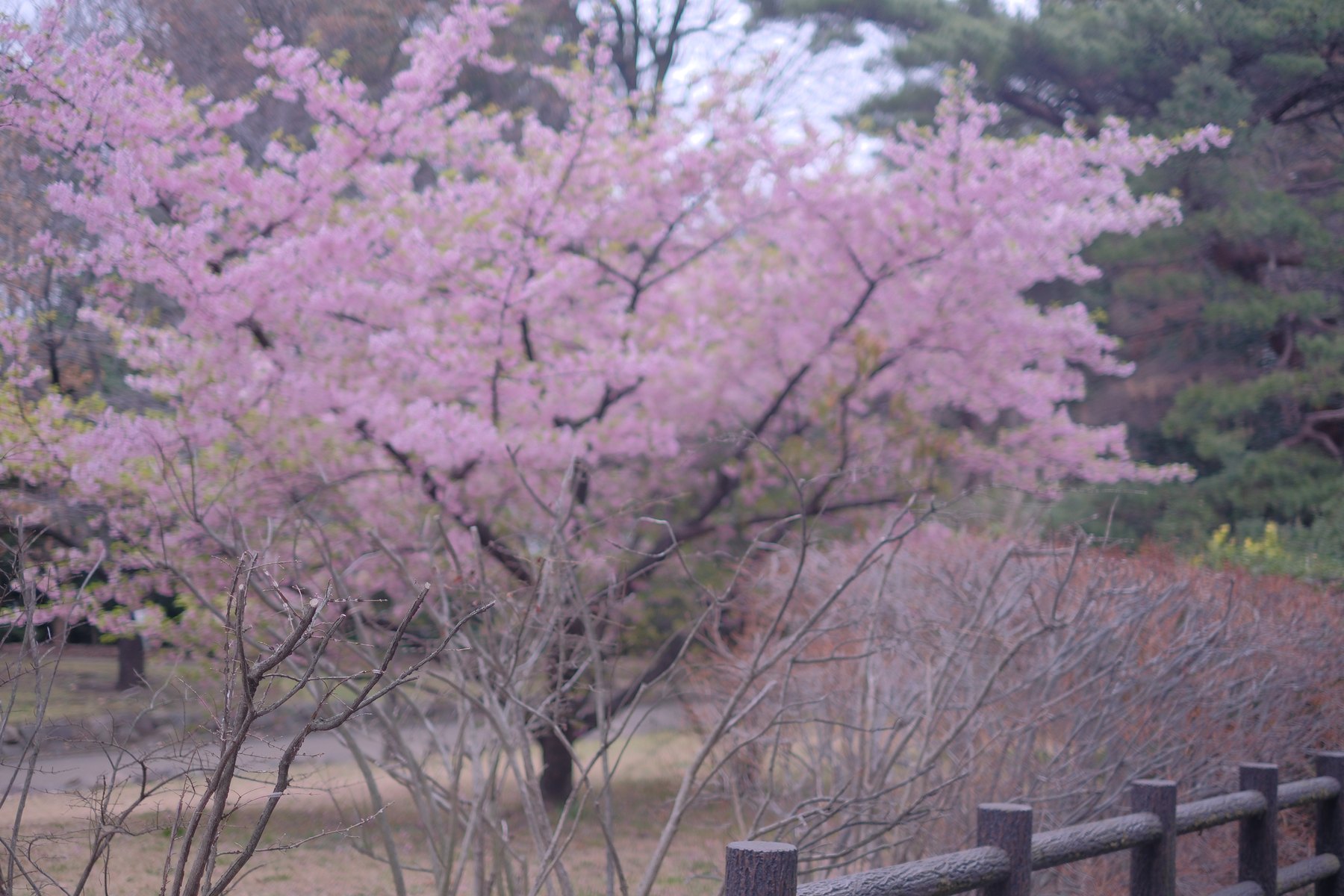
Mono no aware is commonly translated as the pathos of things: a sensitivity to their transience and the feeling that arises from it. It includes sadness, but also tenderness, appreciation, and heightened attention.
Photography already deals with passing time, yet a blurred pedestrian or fallen flower does not automatically express the concept. The frame needs a particular relationship to change.
Photograph before, during, and after
Choose a small recurring event: a shop opening, a train arriving, rain beginning, school ending, or sunlight leaving a wall. Photograph its three phases instead of hunting only the visual climax.
The resulting sequence can show anticipation and residue—the states that a single decisive moment often excludes.
Avoid borrowed melancholy
Do not darken every image or add fallen blossoms to manufacture emotion. Describe the actual transition, including ordinary or cheerful details that complicate it.
A caption can identify date, duration, or what changed. Specific information prevents a vague claim about Japanese sensitivity.
Edit the change, not a uniform mood
Keep exposure and color differences that belong to the passage of time. A shared curve can connect the sequence while daylight, blue hour, and interior light remain distinct.
Arrange the final photographs so the viewer experiences the change rather than receiving an explanation before seeing it.
Sources and further reading
References for the context and techniques discussed in this field note.