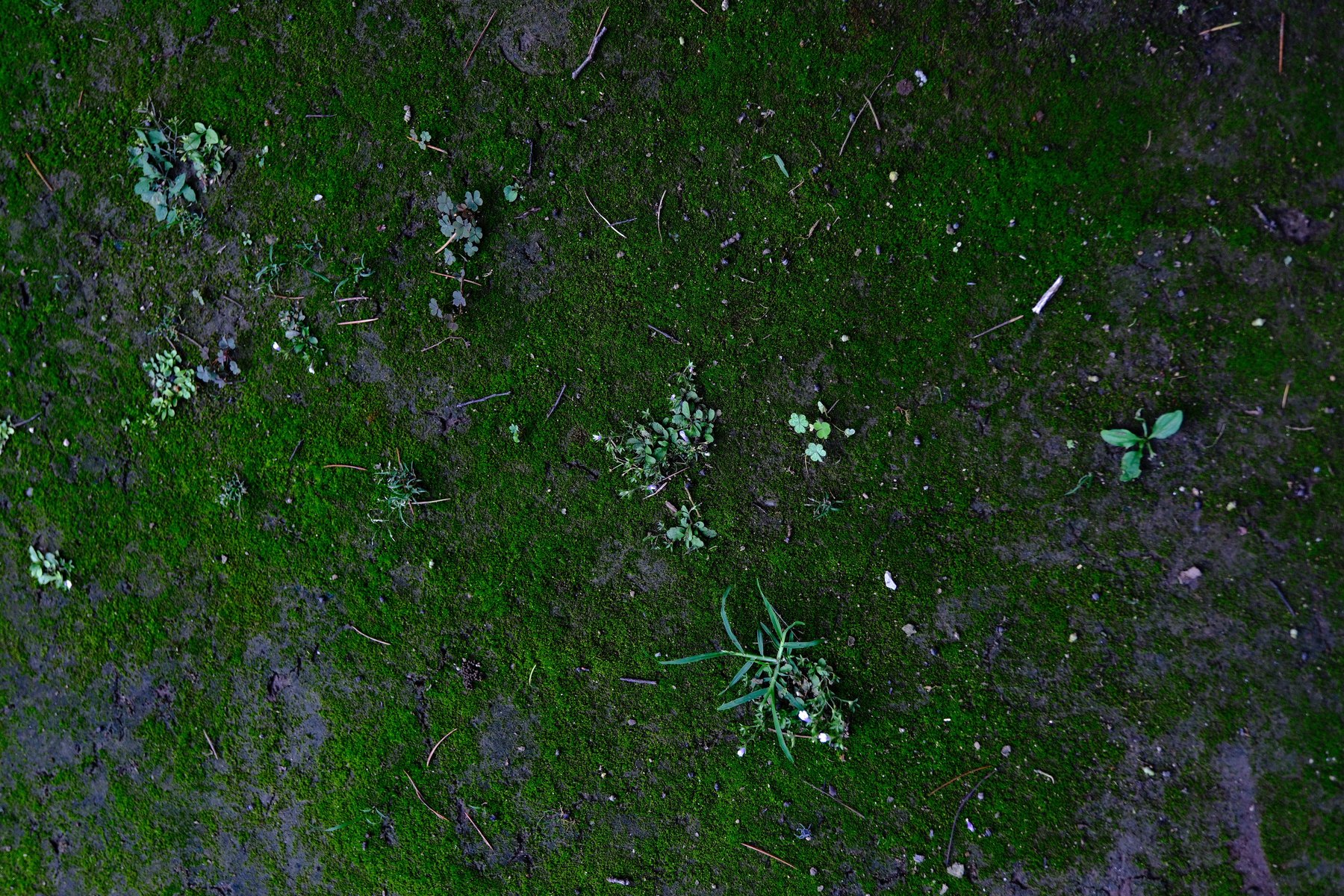
“Wabi-sabi photography” is a modern search phrase, not the name of a historical Japanese photographic school. Wabi and sabi developed through literature, Buddhism, tea culture, craft, and changing ideas of value; turning them into one visual recipe strips away that history.
A more useful approach is to let the ideas change what you notice. Photograph the evidence of time without romanticizing neglect, and allow ordinary materials to remain specific rather than making every surface fit the same nostalgic style.
Begin with two related ideas, not one slogan
Wabi is often associated with subdued or austere beauty; sabi with the patina and character that emerge through age. Their meanings have shifted over centuries, and the familiar compound “wabi-sabi” should not be reduced to “perfectly imperfect.”
In tea culture, practitioners recognized value in particular rustic, asymmetrical, or apparently artless objects. The important action was not merely finding damage. It was looking closely enough to distinguish material character, history, and fitness for the occasion.
Photograph traces of time and care
Look for repaired tools, polished handrails, faded shop curtains, rain-darkened wood, replaced tiles, seasonal plants, or a bicycle maintained through years of use. These subjects hold both change and continued attention.
Ask what caused the mark and who still lives with it. A cracked surface alone says little. Context—a doorway, a hand, a neighboring new material—can show whether the photograph is about care, abandonment, adaptation, or simply weather.
Use restraint in composition
Move closer only when texture carries meaning. Otherwise leave enough surroundings to explain scale and use. Quiet framing does not require emptiness; it requires deciding which relationships deserve attention.
Soft light can reveal material transitions without spectacle, but do not avoid direct sun by rule. Hard light, fresh paint, plastic, and commercial signage are also part of contemporary Tokyo. Wabi-sabi should deepen observation, not exclude modern life.
Edit without manufacturing age
Set exposure and white balance from the scene, then protect small differences among browns, grays, greens, and reflected color. Heavy desaturation, lifted blacks, false scratches, or excessive grain can replace the subject’s history with a preset effect.
Use local contrast where it clarifies a repair or surface transition. Keep grain proportional to output size. If the photograph needs an “old Japan” color cast to communicate its idea, the frame may not yet contain enough evidence.
Try a six-frame field exercise
Photograph one object repaired, one surface changed by touch, one seasonal transition, one old-and-new material boundary, one ordinary tool in use, and one scene that challenges your own idea of Japanese beauty.
Edit the six as a sequence. Let color and contrast connect them, but preserve their different light. Add one-sentence captions stating what you actually observed; remove any cultural claim the image cannot support.
Sources and further reading
References for the context and techniques discussed in this field note.