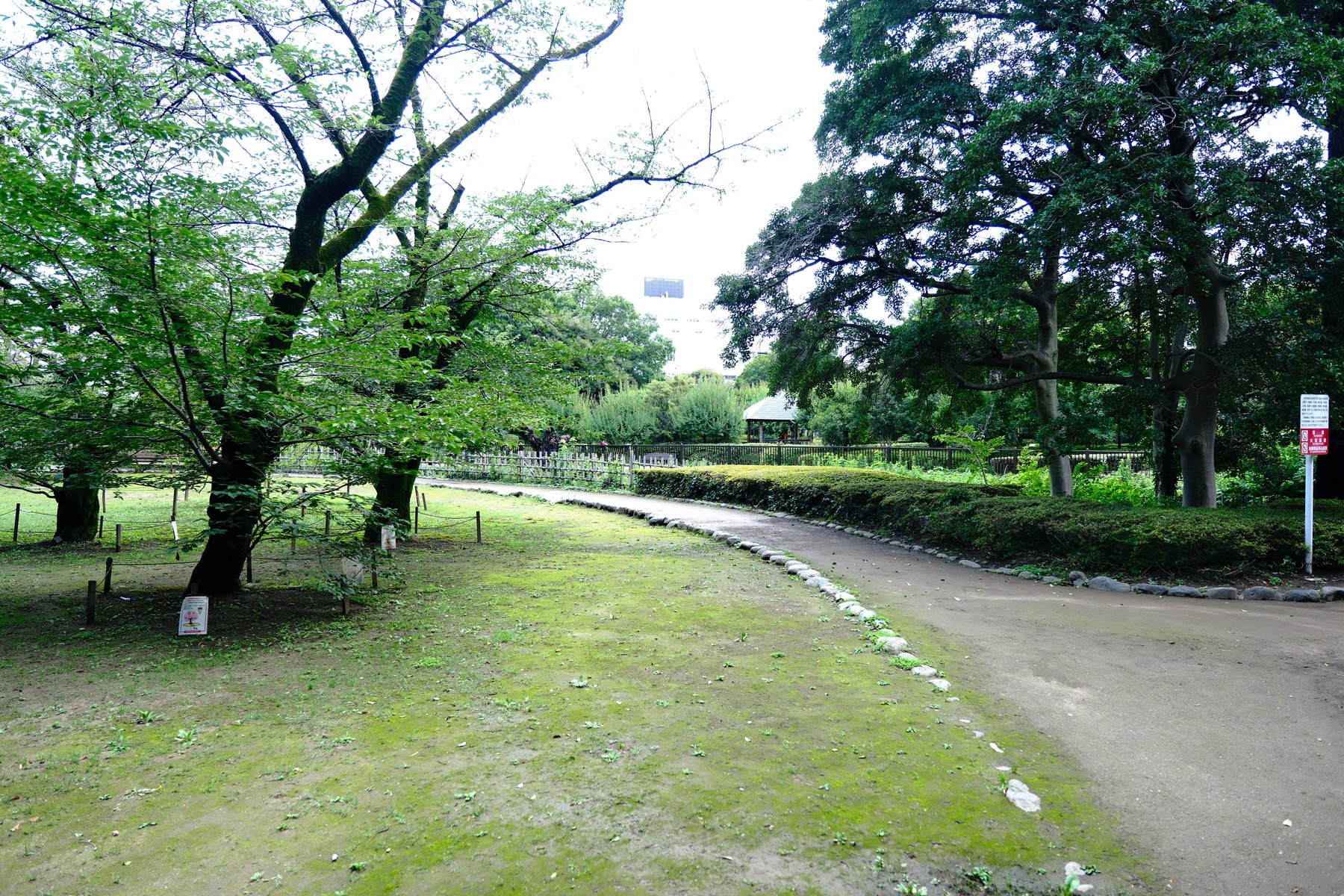
“Zen photography” has no single agreed camera technique, composition, or palette. Zen is a diverse Buddhist tradition; using the word as shorthand for minimalist décor or calm imagery confuses a religious and philosophical history with a commercial mood.
This guide therefore offers a modest practice rather than a definition: slow down decisions, notice habitual reactions, and make photographs that describe what was present. It is an invitation to attention, not a claim that a certain picture is authentically Zen.
Separate practice from appearance
A centered stone, an empty room, or a monochrome frame is not inherently Zen. The same attentiveness can meet a crowded platform, a convenience store, construction noise, or rain on a bicycle seat.
Before photographing, name the visual fact that caught you: repeated movement, changing distance, a surface under light, or tension between two people. If your reason is only “this looks Japanese,” wait and look again.
Walk one small area without a shot list
Choose a radius you can cross in fifteen minutes and remain there for an hour. Put away the landmark checklist. Notice how deliveries, school routes, opening shutters, shadows, and pauses change the same corners.
Use one lens or focal length. The constraint reduces equipment decisions and exposes how often you move too quickly. Make fewer frames, but do not force slowness when a gesture genuinely requires an immediate response.
Use a three-breath pause
When the scene permits, pause for three natural breaths before pressing the shutter. Check the edges, the brightest area, and whether your position intrudes on someone. Then photograph or decide not to.
The exercise is not a mystical guarantee of better pictures. It creates enough time to notice automatic habits: centering every subject, chasing signs, avoiding ambiguity, or treating residents as scenery.
Review without defending the frame
On the first edit, mark photographs that contain a clear relationship rather than those that merely match your preferred style. On the second pass, ask what each frame leaves unexplained and whether that ambiguity is productive.
Remove near-duplicates and dramatic frames that break the observed rhythm. A sequence can include noise and visual density. Quietness comes from attention and pacing, not simply from large areas of blank wall.
Keep the color answerable to the scene
Correct exposure and white balance before applying a look. Preserve meaningful differences between fluorescent interiors, warm lamps, shade, and weather. A common curve or restrained palette can connect the set without erasing those conditions.
Finish with one local adjustment per photograph if needed. This limit makes you identify the actual subject instead of polishing every visible surface. Export the sequence and write what changed in your seeing—not what philosophy you believe the pictures prove.
Sources and further reading
References for the context and techniques discussed in this field note.