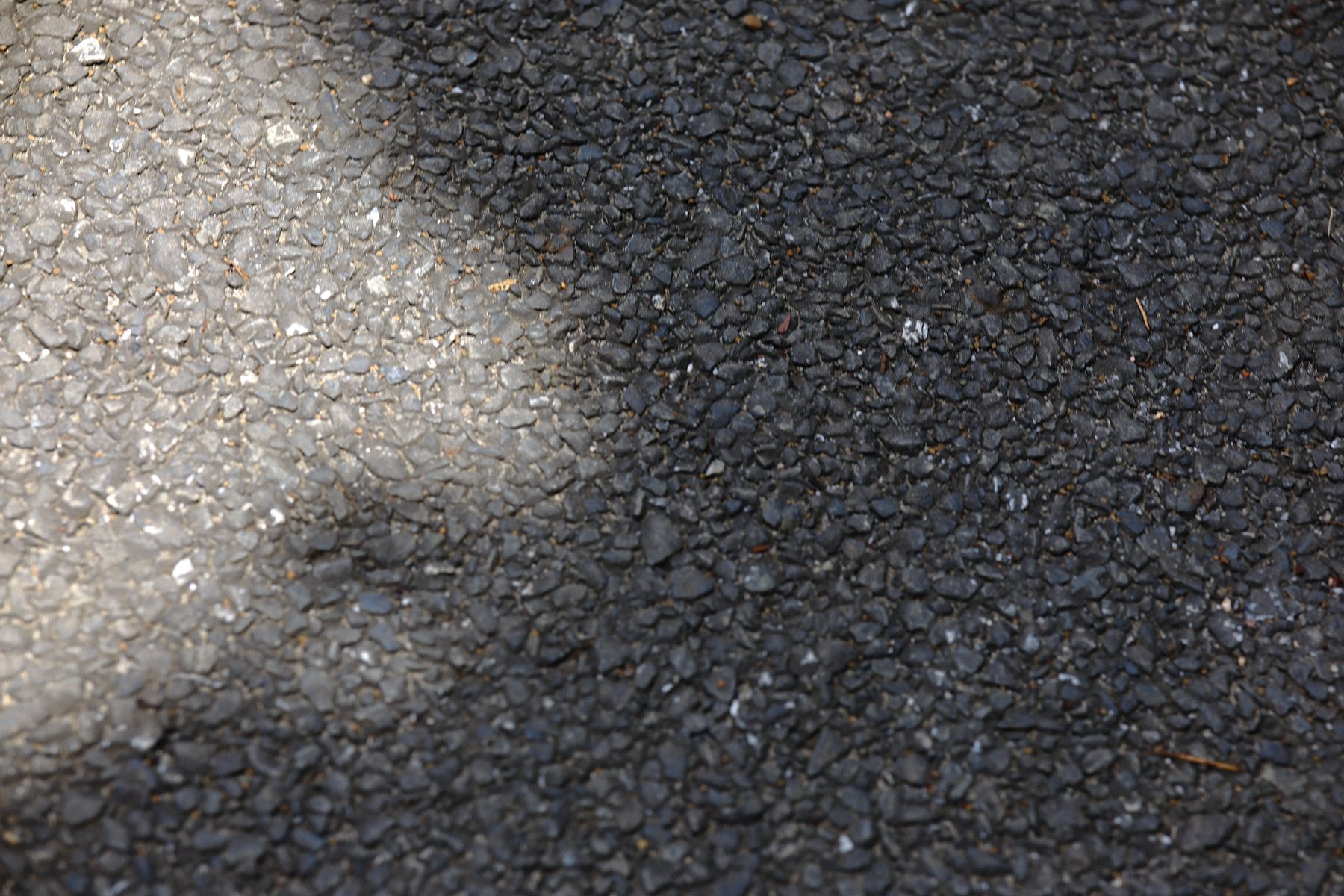
Texture is easy to collect and hard to explain. Rust, peeling paint, and cracked concrete can become visual shorthand that turns a lived neighborhood into an aesthetic resource.
A stronger material study connects the mark to cause, scale, ownership, or continued use.
Classify before photographing
Ask whether the change came from touch, friction, weather, repair, replacement, or neglect. Photograph clues such as handles, joints, covers, tools, or adjacent newer material.
If you cannot infer the cause, avoid claiming it. Uncertainty can remain part of the caption.
Make context and detail work together
Start with an environmental frame, then move closer for material structure. The first establishes function; the second lets light reveal surface change.
Use side light when it clarifies relief, but do not force dramatic shadows that hide the object’s ordinary character.
Edit for differentiation
Set white balance so neighboring browns, grays, and greens remain distinct. Excess clarity and saturation can make every material look equally distressed.
Apply local contrast only where it helps identify a repair or transition. Let quiet surfaces remain quiet.
Sources and further reading
References for the context and techniques discussed in this field note.