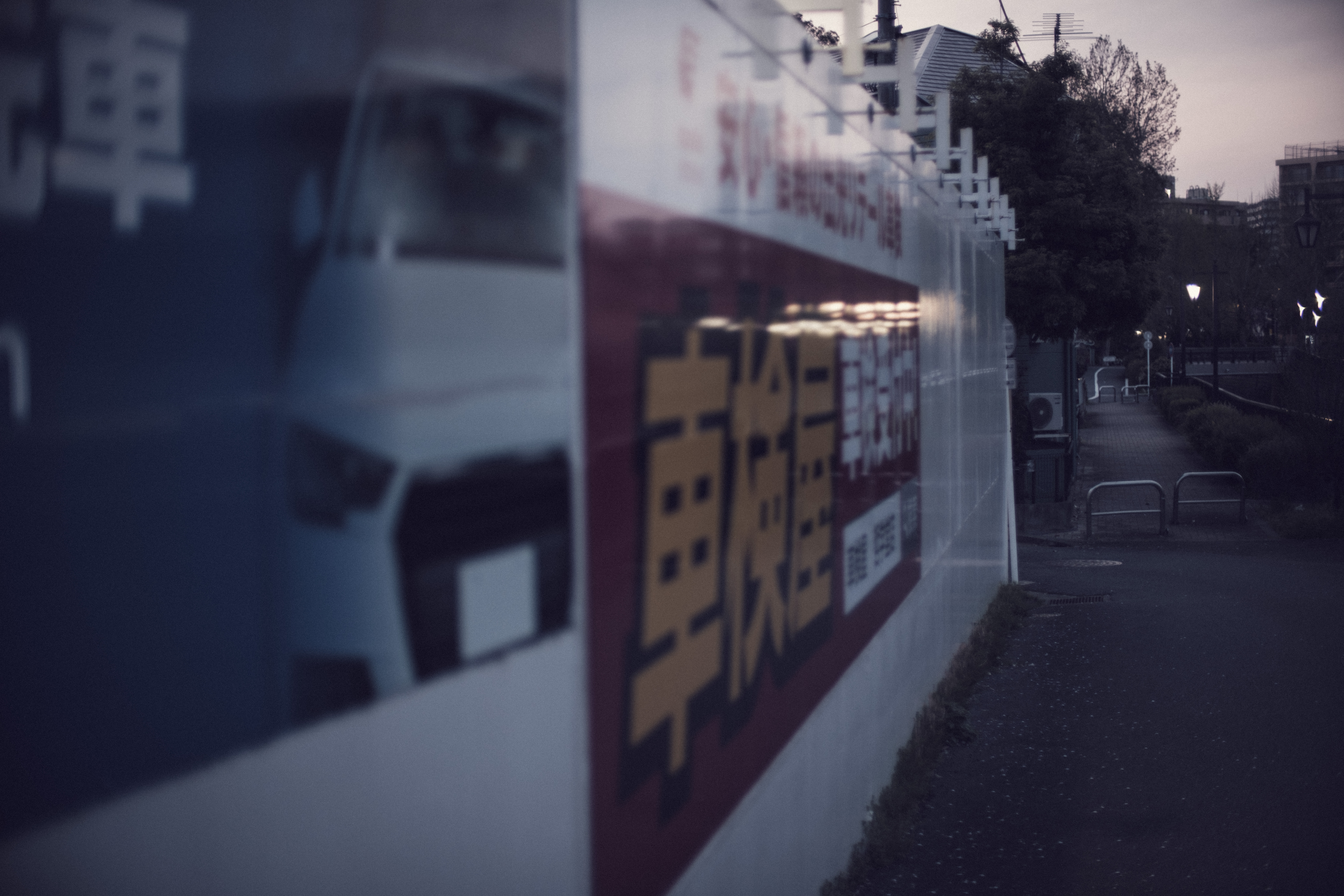
The two ideas overlap, but they are not interchangeable. Negative space commonly describes less occupied areas around a subject. Ma can involve spatial and temporal intervals, including pauses in movement, sound, conversation, or sequence.
Treating every sparse frame as Japanese ma creates a cultural label without analysis.
Test the empty-area reading
Make one frame in which a subject is surrounded by low-detail space. Ask whether the area establishes direction, scale, isolation, or simply visual cleanliness.
If removing the subject leaves the same design appeal, the photograph may be primarily graphic rather than relational.
Test the interval reading
Make another frame with two active elements and wait for their spacing to change. Photograph the moment when the gap carries anticipation or release.
The interval may be crowded with texture. Ma does not require a white wall or empty sky.
Compare in sequence
Place the frames beside a dense image. Notice how pacing changes when the viewer crosses the gap between pictures.
Crop and contrast should support the intended interval, not merely make the composition look minimal.
Sources and further reading
References for the context and techniques discussed in this field note.