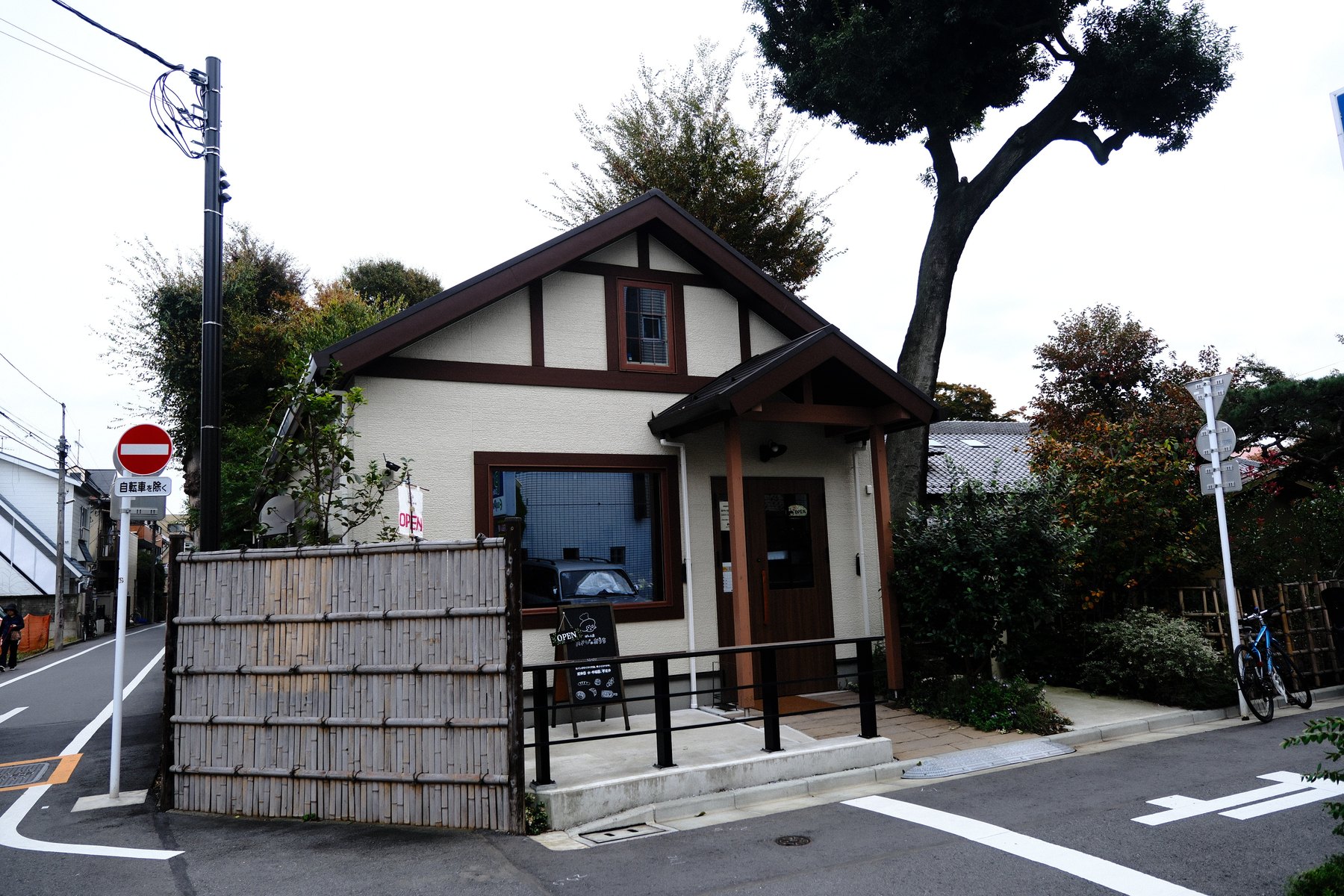
Wabi has been associated with subdued, austere beauty and the values developed around poetry and tea. Sabi has carried associations of age, weathering, loneliness, and the surface character produced through time.
Neither term has one timeless definition. A photographer should use them as questions for looking, not labels attached after choosing a faded preset.
Use wabi to examine restraint
Photograph a modest arrangement whose value depends on proportion, use, and selection rather than luxury. Include enough context to show why the object or gesture matters.
Restraint is not deprivation. A plain bowl, narrow entry, or simple wrapping can be carefully made and socially specific.
Use sabi to examine time
Look for a material whose appearance has changed through weather, maintenance, touch, or repeated use. Distinguish patina from damage and damage from abandonment.
Pair an overall view with a detail so the viewer can connect surface character to function and setting.
Keep the terms provisional
Ask whether the terms clarify the photograph or merely make it sound Japanese. When a direct description—faded fabric repaired at the edge—is stronger, use it.
Edit for material accuracy first. Preserve tonal and color differences before adding atmosphere.
Sources and further reading
References for the context and techniques discussed in this field note.